

Light, Snow and the Rhythm of the Arctic
The best season for ski touring in the Lyngen Alps
The Lyngen Alps follow a rhythm unlike any other mountain range. Located north of the Arctic Circle, the seasons are shaped by the Polar Night in winter and the Midnight Sun in summer. As a result, choosing the best time for ski touring in the Lyngen Alps is about much more than snow conditions—it is also about light, atmosphere and the unique character of each part of the season.
Mid-February to Mid-March – The Return of the Light
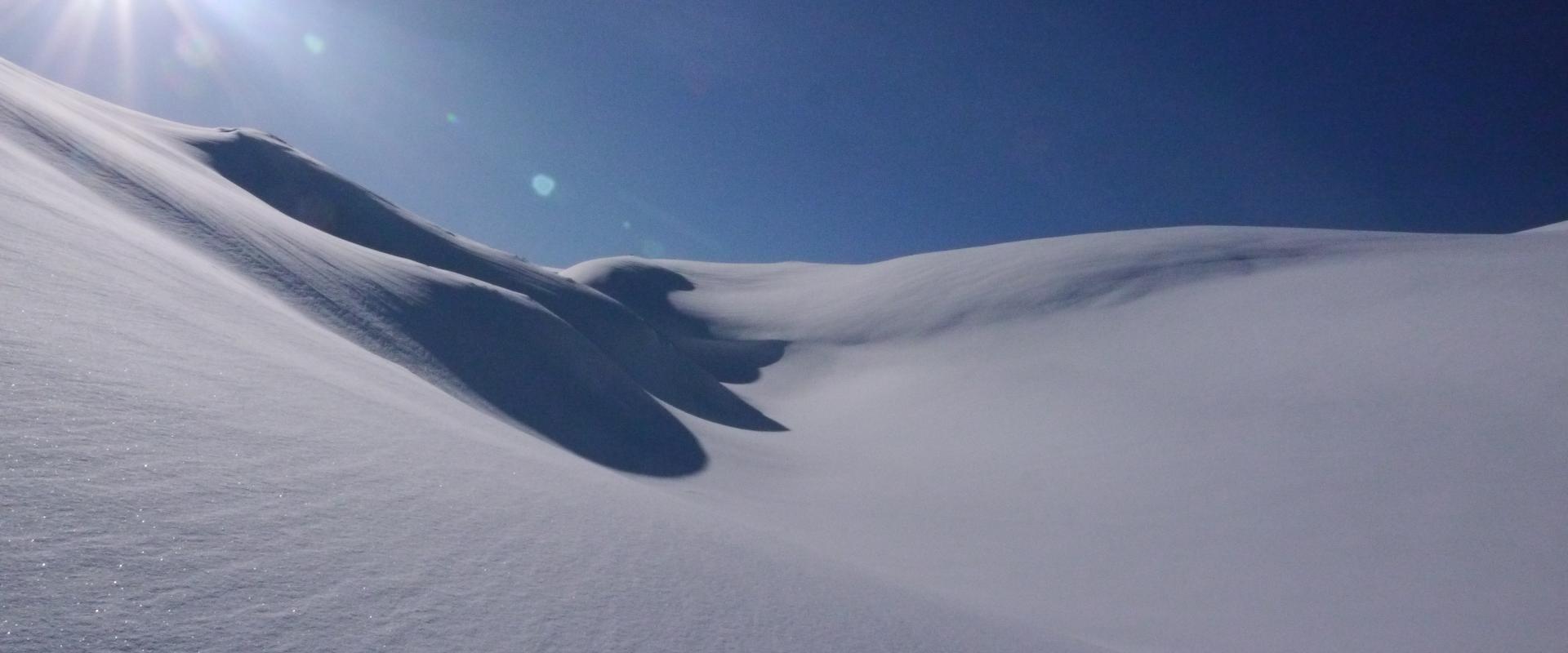
By mid-February, daylight slowly returns after the Polar Night. Although the sun still stays low above the horizon, it creates the soft, golden Arctic light that makes this time of year so special.
What to expect
- Magical Arctic light throughout the day
- Cold temperatures and reliable powder snow
- Ideal day length for tours with 800–1,200 vertical metres
- Excellent chances to see the Northern Lights on clear evenings
For many skiers, this is the most peaceful and authentic part of the season. The mountains are quiet, winter is at its peak, and every ski tour feels like a true Arctic adventure.
Mid-March to Mid-April – Peak Ski Touring Season
For many visitors, this is the best time to experience ski touring in the Lyngen Alps. Snow coverage is excellent, daylight increases rapidly and the maritime climate often delivers a perfect mix of fresh powder and stable weather.
What to expect
- Long days for bigger and more varied tours
- Frequent powder snow and excellent skiing conditions
- A perfect balance between winter and spring
- Endless possibilities across the entire mountain range
This is when the Lyngen Alps reveal their incredible diversity. Gentle glacier tours, classic summit objectives and steeper descents are all possible, depending on the conditions. While the Northern Lights can still appear, the brighter nights make them less frequent.
Mid-April to Early May – Corn Snow and Endless Days
As spring arrives, the character of the mountains changes once again. The days become remarkably long, the sun climbs higher into the sky and perfect corn snow becomes increasingly common.
What to expect
- Endless daylight and flexible tour planning
- Excellent spring corn snow on many aspects
- Snow reaching almost all the way to the fjords
- Mild temperatures with true alpine terrain at higher elevations
This is the perfect time for skiers who enjoy long summit days, smooth spring skiing and the unique atmosphere of the Arctic spring.
May – A Quiet End to the Season
By May, the lower slopes begin to turn green while the higher peaks remain covered in snow. The contrast between spring and winter creates one of the most beautiful landscapes of the year.
What to expect
- Quiet mountains with very few visitors
- Excellent corn snow when conditions align
- Green fjords below, snowy summits above
- Endless daylight beneath the Midnight Sun
May offers a unique combination of winter skiing and the first signs of summer—a special experience that can only be found in Northern Norway.
When Is the Best Time to Visit the Lyngen Alps?
The best time for ski touring in the Lyngen Alps depends on the experience you are looking for:
- Mid-February to Mid-March – Deep winter, powder snow and magical Arctic light.
- Mid-March to Mid-April – Peak season with the greatest variety of tours and consistently excellent conditions.
- Mid-April to Early May – Long days, classic corn snow and unforgettable summit descents.
- May – Quiet mountains, endless daylight and spectacular contrasts between green fjords and snow-covered peaks.
The Lyngen Alps transform throughout the season, and that is exactly what makes them such an extraordinary destination. Every month offers its own atmosphere, its own snow conditions and its own unforgettable experiences.
There is no single best time for ski touring in the Lyngen Alps—only the time that suits you best.
Plan Your Ski Touring Holiday in the Lyngen Alps
No matter when you decide to visit, every part of the season offers its own unique experience. If you are looking for a fully organized ski touring holiday in the Lyngen Alps, explore my guided ski touring weeks, learn more about the Magic Mountain Lodge, or discover the different regions of Northern Norway, including Lofoten, Senja and Finnmark. You'll also find detailed articles about snow conditions, equipment, safety and route selection in the Arctic on the blog.